
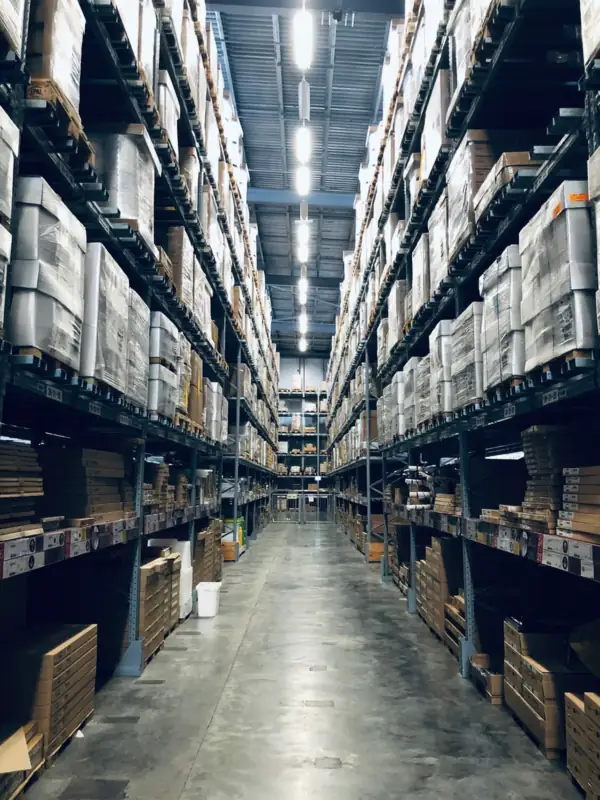
Two pallets in the same warehouse can live in different climates: one near the loading door in August, one at the back under the cooling unit. Mapping shows you the difference before it shows up in your stock — and calibration proves the sensors watching it are telling the truth.
Two halves of one job
- Heat map study
A one-off study that profiles a space over days, finds its hot and cold spots, and tells you where permanent sensors belong.
- Sensor calibration
Calibration of the sensors and loggers themselves, repeated at an interval, so a reading of 4 °C means 4 °C.
Most quality systems need both: a study to qualify the space, and calibration records to keep it qualified.
How a mapping study runs
- PlanWe review the layout, racking, cooling and doors, and agree the logger grid and study duration.
- Place loggersCalibrated data loggers are positioned at different heights and zones, including near doors and cooling units.
- RecordLoggers record over the agreed period, often including working hours, nights and door-opening activity.
- ReportYou get a documented report with temperature profiles, hot and cold spots and recommended sensor positions.
| Space | Typical reason to map |
|---|---|
| Pharmaceutical warehouse | Qualifying storage areas for medicines. |
| Cold rooms and freezers | Food safety and finding where not to store. |
| Refrigerated vehicles | Confirming the load area stays in range on real routes. |
| After changes | New racking, new cooling units or a change of use. |
Studies are planned around the expectations of the Saudi Food and Drug Authority (SFDA) and SASO standards that apply to your activity. Tell us which inspection or certificate you are preparing for and we will scope the study to match.
After the study
Mapping tells you where to measure. Continuous temperature and humidity monitoring then watches those points every day, and scheduled sensor calibration keeps the record defensible between studies. Plan your study or calibration with our team.